



That is where traditional keys often become difficult to handle. Keys are handed from one person to another, copied, forgotten, lost, or not returned when someone leaves the association. Over time, it becomes harder to know who can unlock which door and whether those authorisations are still up to date.
Access control for associations offers a more flexible way to manage member access.
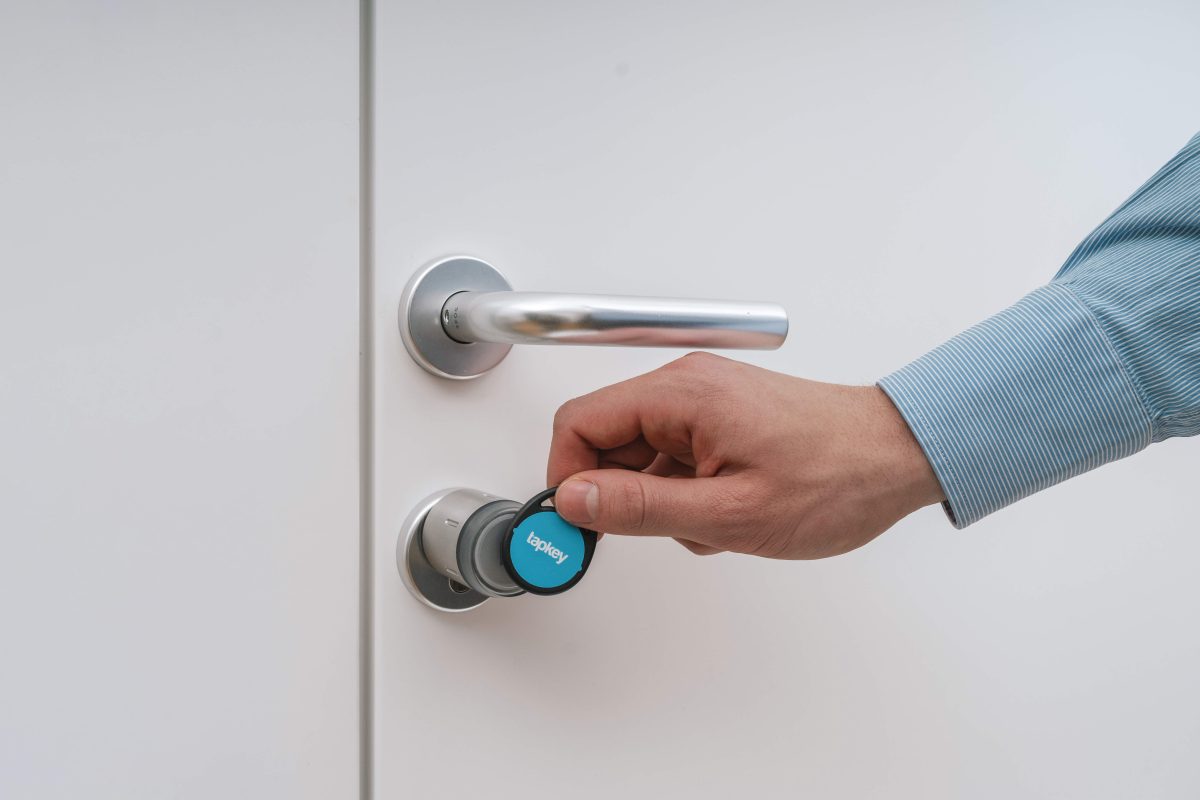
Instead of relying only on mechanical keys, associations can use digital access rights, smartphones, or NFC transponders to give the right people the appropriate entry rights at the right time.
For clubs, secure access is more than about locking the door. It is about managing who should enter, when access should be valid, and how quickly permissions can be changed when roles, memberships, or responsibilities change.
What is access control for associations?
Door management for associations is a software-controlled access system that regulates and monitors physical access to buildings, premises, or individual rooms. Instead of distributing traditional keys, facility managers can assign digital permission rights to members, volunteers, trainers, board members, service providers, or temporary helpers.
A digital access control system can support different access methods, such as phone-based entry or NFC transponders. This is especially useful for clubs because not every member has the same access habits. Some people prefer opening the door with their phone, while others may feel more comfortable using an NFC transponder.
The main goal is simple: associations stay in control of their doors without creating unnecessary friction for members.
Why Physical Key Management Is a Challenge for Associations
Physical keys are familiar and easy to understand. For small groups, they may work well in the beginning. But as soon as an association grows, offers more activities, or manages several rooms, traditional key management can quickly become unclear.
A common problem is that keys move through the organisation without proper visibility. A trainer receives a key for weekly practice. A volunteer keeps one after an event. A former board member forgets to return their key. Cleaning staff may be authorized outside normal hours. Over time, the association may no longer have a clear overview of who can open which door.
This creates practical and security-related challenges.
If a key is lost, the association may need to replace the lock or accept the risk that the key could still be used. If a member leaves, someone has to remember to collect the key. If some people will be there only for one event, a physical key still has to be handed over and returned.
Digital smart locks change this process. Credentials can be granted, limited, changed, or revoked without passing around physical keys.

Association Access Management: Common Roles and Permission Requirements
Associations often have more complex door management needs than they appear to have at first glance. They can have more doors and also deal with different users.
A sports club may need to have to coordinate entry to the clubhouse, changing rooms, equipment storage, and training areas. Trainers may need regular use of these facilities several times a week, while volunteers only require permission during tournaments or events.
A music association may need to control entry to rehearsal rooms and instrument storage areas. A cultural association may need to grant temporary permissions to event teams, artists or external service providers. A non-profit organisation may need to coordinate volunteers, board members, office staff and cleaning teams, ensuring each group can enter the appropriate spaces when needed.
In all these cases, the question is: “Who needs access, to which area, at what time and for how long?”
This is where smart locks or digital cylinders for associations become useful. They allow member management to be organised around real roles and real responsibilities.
How digital access control supports flexible member access
Digital access control helps associations move from informal key sharing to structured door management. This does not need to be complicated. In practice, it means that entry rights can be assigned based on the role a person has within the association.
When someone joins, leaves, or changes role, entry permissions can be updated digitally. There is no need to retrieve a physical key, duplicate a new one, or change the lock.
Associations often rely on volunteers whose roles can change frequently. Someone may take on a new responsibility, cover for another person, or help organize a specific event. With a flexible entry control solution, permissions can easily adapt to these changes while ensuring access remains secure and well managed.
Security benefits for associations
Are Tapkey smart locks secure? Yes, they can be a secure solution for businesses when the hardware, software, and permission management processes work together.
Compared with traditional keys, smart locks offer greater control, convenience and flexibility. They help businesses determine who can unlock specific doors, when permissions are valid, and how quickly rights can be granted, updated or revoked.
The most secure setup depends on the entire security framework around the lock: certified hardware, protected digital keys, secure authentication, clearly defined administrator roles, regular permission reviews, and a configuration that matches real operational requirements.
For businesses with changing teams, guests, members, tenants, or service providers, this simplified level of control can make a real difference.
Explore how Tapkey helps businesses manage permissions digitally, flexibly and securely.

Access rights should match real association roles
A secure smart setup should also work in real-life situations. Associations often operate outside normal office hours. Some training sessions take place in the evening. Many events happen on weekends; cleaning staff usually work early in the morning; volunteers are very flexible and may need to support when no board member is on site.
This is why associations should ask practical reliability questions before choosing an access system.
What happens if someone needs access outside normal working hours? What if the responsible board member is not available? What if a member forgets their smartphone? What if a phone is lost? What if the internet connection is unstable in the building?
An offline-capable smart lock setup can be helpful here because the lock does not need to depend on a permanent internet connection at the door. Door management can remain practical even in buildings with weak Wi-Fi, basement areas, or shared spaces where connectivity is not always stable.
If a phone is lost, grants can be reassigned to a new smartphone or replaced with another authentication method, such as an NFC transponder. If someone forgets their phone, the association should have a clear fallback process, such as another authorised person granting access or using an alternative credential. Battery level is another practical point. A reliable setup should include battery monitoring, clear maintenance routines, and defined fallback scenarios. This makes access management more predictable and helps avoid last-minute problems.
For clubs, reliability is part of security. Access should work when members need it, but still remain controlled.
Digital access control for shared rooms and facilities
Many associations manage more than one door, and even smaller clubs often have several spaces that serve different purposes. A clubhouse entrance, meeting room, changing area, equipment storage room, office, archive, or event space may all require different levels of permission depending on who uses them and when.
Not every member needs entry to every area. Digital door management makes it easier to assign permissions based on a person’s role or responsibilities, ensuring that the right people can use the right spaces. This is particularly valuable when protecting equipment, sensitive documents, or restricted areas. Instead of handing out a single key that opens everything, clubs can decide exactly which doors each person is authorised to unlock.
Member Permissions in Sports Clubs: A Practical Example
Consider a local sports club with a clubhouse, changing rooms, equipment storage areas, and a small office. Different people need to use these spaces for different reasons. Coaches may need regular entry throughout the week, board members require access to administrative areas, cleaning staff need to enter outside normal operating hours, and volunteers may only require entry during specific events or tournaments. Regular members, on the other hand, often only need to use certain facilities during scheduled training sessions.

SUP Sportclub Graz: Success Story
Managing all these requirements with traditional keys can quickly become difficult. Keys need to be copied, handed out, tracked, and collected again when responsibilities change. If someone leaves the club or a key goes missing, resolving the situation can be both time-consuming and costly. An electronic system offers a much more flexible approach. Permissions can be assigned according to each person’s role, limited to specific doors or times, and updated instantly whenever needed. This gives sports clubs better oversight and security while keeping day-to-day use simple and convenient for everyone involved.
How Associations Can Introduce Digital Door Management Step by Step
Associations do not need to modernise every door at once. In most cases, the easiest approach is to start with the areas that create the most administrative effort or security concerns and then expand gradually as needed. This allows clubs and organisations to gain experience with the system before rolling it out across additional rooms or buildings.
What to Look for in a Door Management Solution
When evaluating a digital solution, clubs should focus on simplicity as much as functionality. The system should be straightforward enough for volunteers to manage without specialist knowledge while still providing the flexibility needed for different user groups and spaces.
Key features often include simple permission management, support for smartphones and NFC credentials, scheduled entry permissions, fast removal of user rights, clearly defined administrator roles, and hardware that works with existing doors. Offline functionality can also be valuable in locations where internet connectivity is unreliable. Just as importantly, the system should be able to grow with the organisation and remain easy to use for members with different levels of technical confidence.
The best solution should reduce administrative effort rather than create it. It should give clubs greater oversight and control while keeping everyday use intuitive for everyone involved.
Conclusion: More Control, Less Key Management
Associations need a system that reflects the realities of club life. Volunteers change, responsibilities evolve, events require temporary permissions, and members often prefer different ways of entering a building. Managing all of this with physical keys can quickly become difficult and time-consuming.
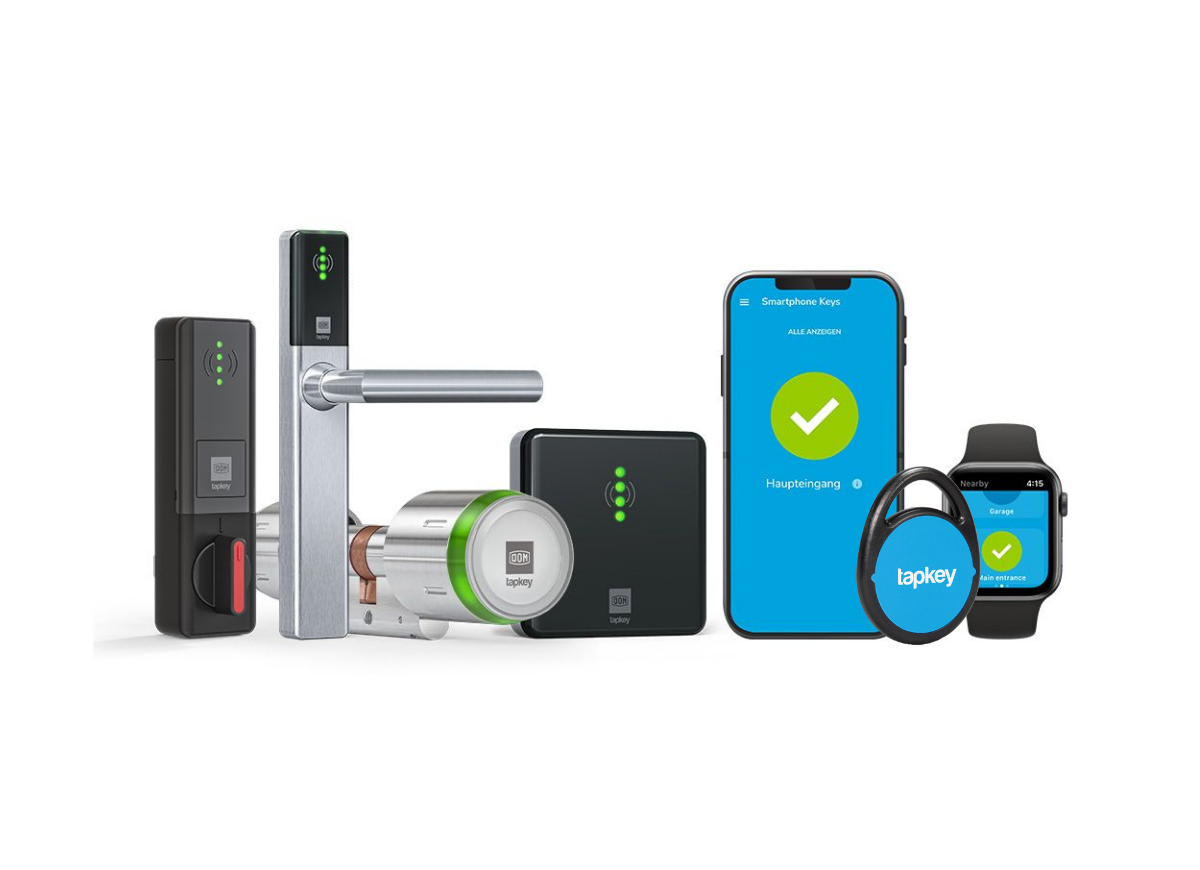
Digital door management replaces complex key distribution with a more structured, adaptable approach. Permissions can be assigned, adjusted, or removed whenever needed, while club participants can use the credentials that suit them best, whether through a smartphone or an NFC transponder. For sports clubs, cultural associations, community organisations, and other member-based groups, this can make everyday operations easier to manage while improving security and organisational control at the same time.
Looking for a smarter way to manage keys in your club?
Discover how Tapkey helps associations and clubs manage access digitally, securely and flexibly.
Smart Locks: Everything You Need to Know Before Buying
Everything you need to know before purchasing a [...]
Mehr lesenSep
6 Benefits of Cloud-Based Access Control
Everything is moving to the cloud. So why [...]
Mehr lesenJul
Easy Access: Ralf Weisheit Metalworks Moves Away from Traditional Keys
Ralf Weisheit Metalworks goes keyless with Tapkey! Smart [...]
Mehr lesenSep
One Tap at a Time: Enter WESPA Coworking Space via Smartphone
Discover how Tapkey's mobile access control has improved [...]
Mehr lesenApr